“To be yourself in a world that is constantly trying to make you something else is the greatest accomplishment.”
RALPH WALDO EMERSON.

Artistry; its expression, it’s enjoyment and the processes encompassing these, represents a profusion and vast majority of things to humanity for various reasons.
To one, it symbolizes the sacred spaces of developed human philosophy put into words and melody. To another, it is the means to table the complexity of human emotion in portraiture; the synthesis of color into controversial amalgamations of sculpture and painting. In the end for all and for others, art is the language that bids you take heed- not of the words and their conjugation or pronunciation, but to the feelings evoked by the sound of them and the flow of them.
Artistry- the creative skill and ability, requires such an attention and possession of faith and conviction in the so seemingly simple truths, so much so, that every child in a way is born an artist but struggles with growing up to indeed remain one, attached to what is no longer as seemingly simple anymore. Artistry is something that requires the retention and harnessing of a considerable courage to continually sit into the simplistic, and have the chaos you witness inside and around you, birth promise, as the facades that drew you in are torn and life is born. Art in the end surmises to becomes the lie you must practice to unveil the truth you know and believe to others; the process of seeing ourselves in the things we are not but should be. Artistry becomes the way we lose ourselves continuously to find ourselves, washing away from the soul the dirt of everyday life. These are some of the more salient overarching principles concerning art I know as an artist, and have seen in other artists come to be the ultimate expression of an internal affluence, they have been called to.
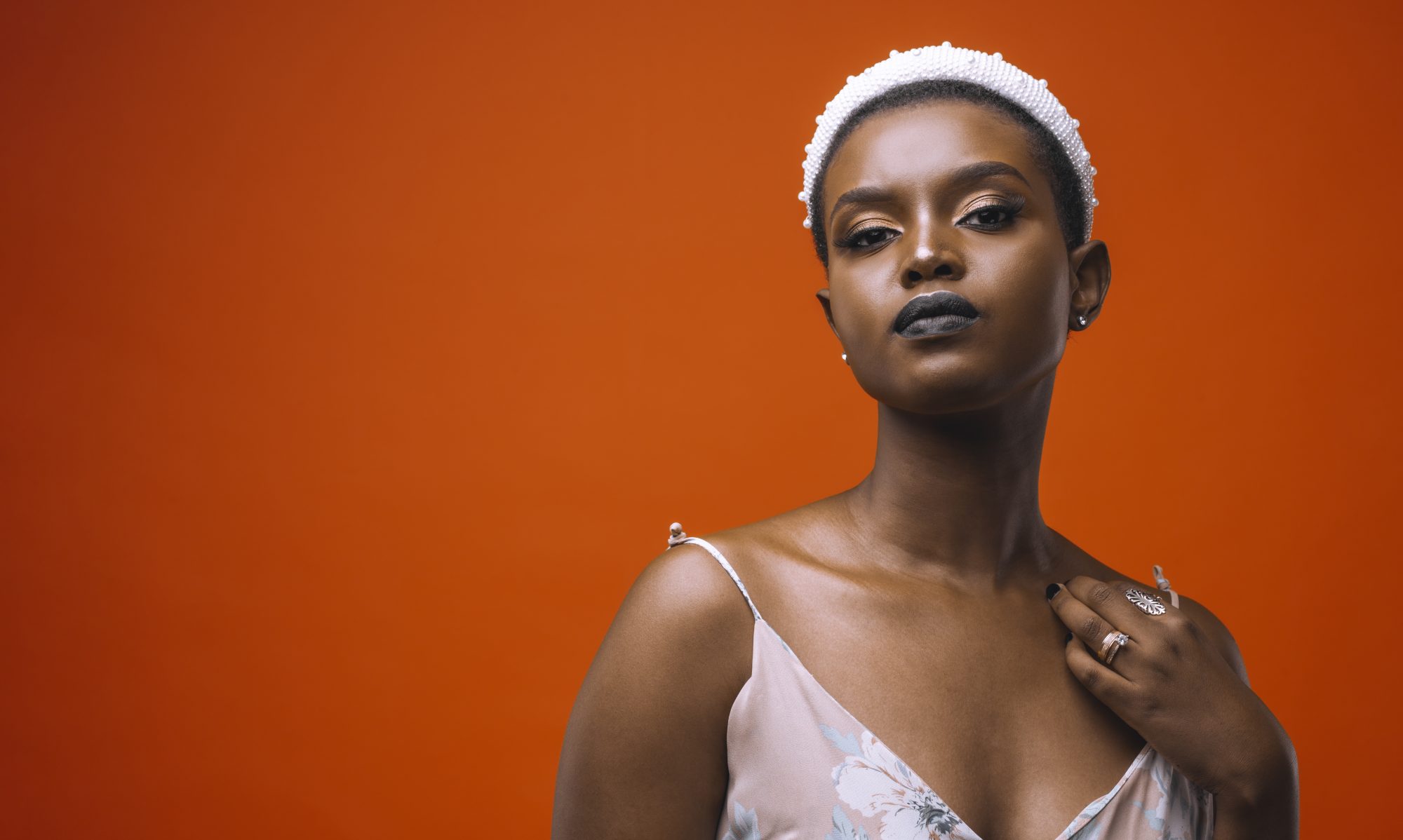
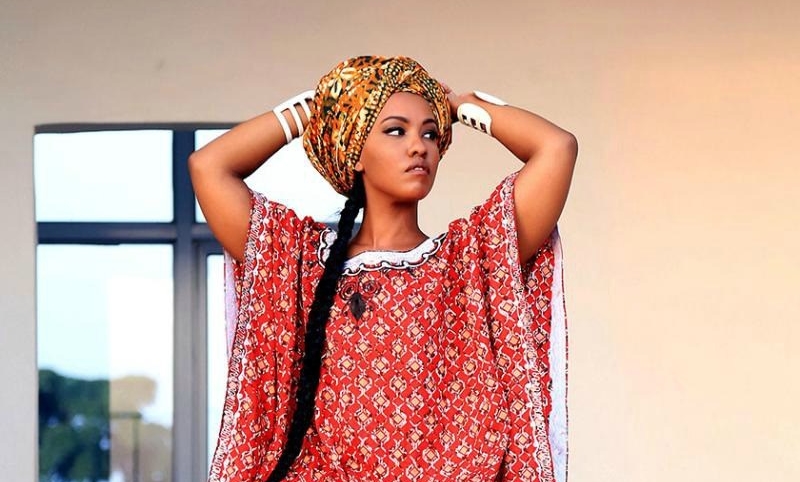
In this season of celebrating females in art, meet Kemiyondo Countinho; one of the many artistic matriarchs of our Uganda; as affluencial in artistic expression and as called to express art for others, by expressing it for herself.
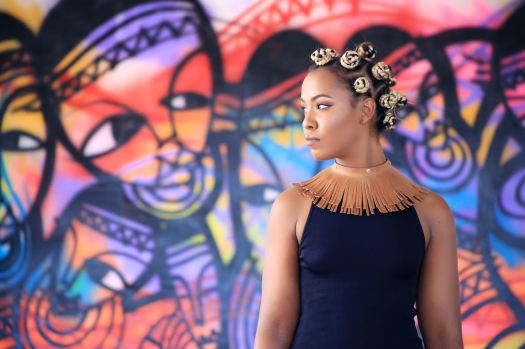
For her, art must be a calling for one to pursue it.
KEMI: “It is too hard. You lose too many relationships. You lose too much sleep for it to be a hobby. When young artists ask me if they should pursue acting, or their art I always ask them “Is there any other thing you could do that would make you just as happy as this?” If they say “Yes, teaching” or whatever, I say go do that thing! If they say nope, then I give them a big hug, <joke; I don’t like hugs>, but I hug them in my mind because for me it means they have been called. When you get called there is nothing you can do but answer that call. So for me with art, what it means to me and what it does for me; It is a calling. I didn’t choose it, it chose me.”
Delving into how her relationship with art and her artistry, she had this to say;
Kemiyondo was born in Kampala Uganda to Ugandan parents. At the age of three weeks she moved to Swaziland where she was initially educated. At thirteen she joined the United World College of Waterford Kamhlaba in 2001. She graduated in 2007 and went to Portland, Oregon to attend the Lewis and Clark College to graduate with a double major in Theater and Communications. She got her Masters in Fine Arts at The American Conservatory Theater (A.C.T). Now currently based and residing in Los Angeles CA, she refers to herself as an African nomad and rightly so.
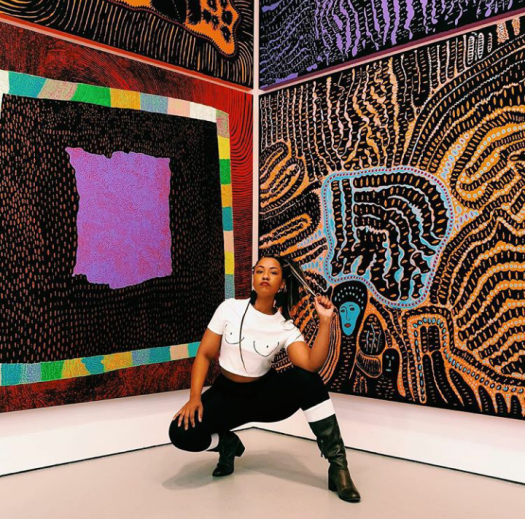
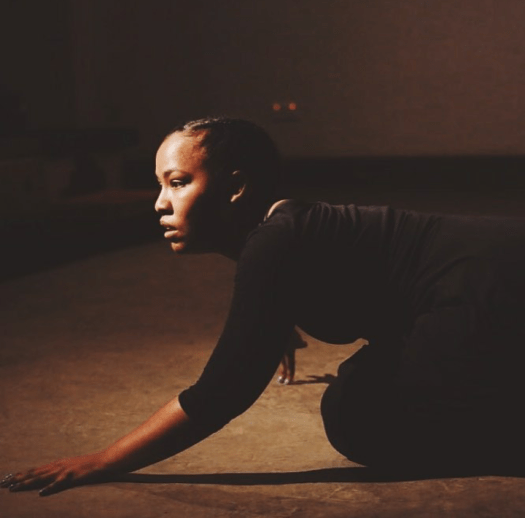

For herself is the self proclamation of the vocation of an “Artrepeneur.” Within her artistic calling of a journey, she is for others in her art by being for herself too. Centrally for her is the deep realization that all these things she is as an artist, she is for others as well because the voice of the African woman is in fact needed and especially relevant in the artistic realm. She is now a playwright, performer, actress, activist and even recently, a Pan African Film Festival award wining director, creating for herself an artistic identity in the places where traditional articulations would label such a morphing hybridity of artistry, anomalous.
Within our own culture and personal circumstances, sometimes it very difficult to veer out of the would be norm, especially for the female even now in subliminally pronounced ways if you’d care to look around. This is what Kemiyondo had to say;
KEMI: “I think being a female is hard. I think being an artist is hard. So those two put together is hard. I get over it and I create anyway…and throw shade about it on Twitter while I do. Currently residing in Los Angeles CA, it is hard being Black in America. It is hard being female in America. It is hard being African (or the other) in America. I create anyway. I don’t wait for the audition I create my own work and start from there. It is hard but it is a calling not a choice.”
I feel what I learn from artists like these that choose to press on with who they are and what they have is a lesson we should be supporting in ourselves reminding others around us of, glaring this truth in the face of our nation and continent, for our nation and continent. African female artists and their artistry is a would be anomaly, so profound, because in their artistry and with its achievement, they are ordinary people that were true to who they felt they were, and because they continued in directions they felt called to for their art, this is what they achieve for others like me, by achieving for themselves- extraordinary articulation of self and society.
For Kemiyondo, some of the female artists that have shaped this resilience and perspective in her as seen in the fruit of her achievement, include the following;
KEMI: “Danai Gurira- I saw her acting in In The Continuum when I was 17 and decided there and then to go to grad school and be a professional actor. Issa Rae– She is goals. She is a doer. She didn’t wait on opportunity. She just went after it! MoRoots– I love her. In a way that you would think I don’t know her. Every time I hear her sing I become the stranger and groupie that I was when I first heard her. She is the reason I started A Ka Dope. I thought there is no way this talent in our country should be hidden. Brenda Fassie- I always related to her being a rebel and playing it by her own rules. Ava Duvernay- She is talented and all the many things we know but she is also really, really kind. I met her 2 years ago and she was just so kind. I could never get over that. You see it in how she supports other people. That kindness I admire. Not many have it in Hollywood- especially to “nobody’s” but Ms. Ava has it. Regina King- I love that she doesn’t allow herself to be confined to actress or director or producer she does BOTH. I just wanna shadow her for a week. Salma Hayek- Oh I just adore her fight for women and how she does it with so much integrity and class. Truly inspiring.”
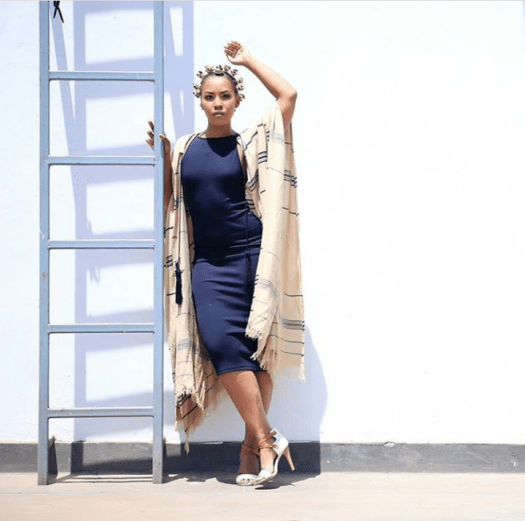
This is what these female artists achieve for their countries, races, and continents. We see it more pronouncedly on some of the international platforms they have been celebrated on with nominations and awards. I asked Kemiyondo what she would say is her biggest dream for herself as an artist? ( as big as it gets);
KEMI: “I want to write and star in a TV show based on the short film I am shooting next month. I want A Ka Dope to become a platfrom through out the continent. I want to be able to fund Ugandan directors’ projects and through that encourage more Ugandan women to direct. I want Kyenvu to go to the Oscars. I want to direct a multimillion budget film about an African Story. A dream for each of my professions- Writing, Acting, A Ka Dope, Directing, Mentoring, Kyenvu.”
Now think of how many things I announce that I have actually gotten. I hustle for more than I receive. As it should be.
You never know which one is the door. So keep trying that key in all of them.”

I celebrate the acceptance and pride they have in themselves, despite their backgrounds, African female stories and struggles they have typically had just because they are human. I am shamed by their successes, when I think of the doubts I have hopelessly had in myself and others. Maybe you have too. But we are shamed in those doubts by the drive and existence of such female artist and their artistry, and gladly so.
Gladly, so indeed.
 augandanartist.com